


Independent Testing of Security Software
 With the increasing distribution of ransomware, it’s very important not only to back up all data, but to recognize the importance of protecting the backup files themselves—after all, the backups themselves could be erased by ransomware. Therefore, modern personal backup software must possess self-protection functions. This is especially important for personal products, because home users don’t usually have organized backup systems like large corporations and even small businesses do.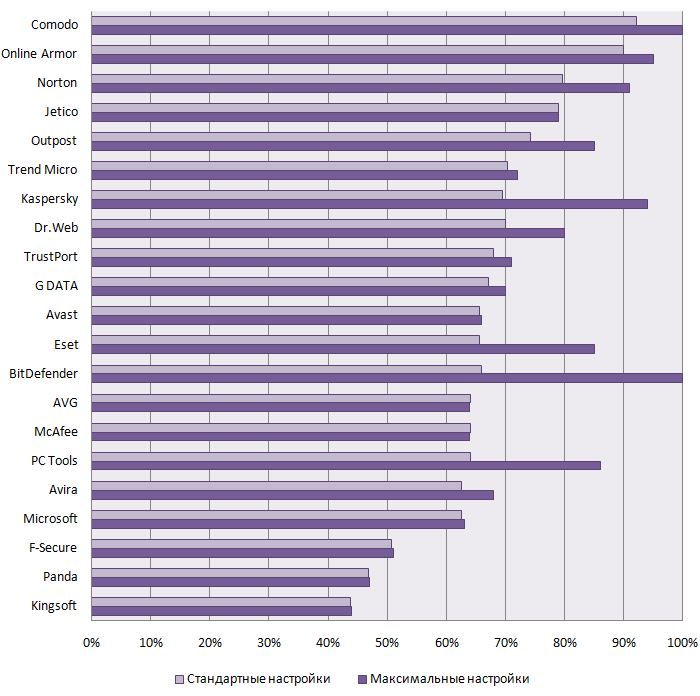

 In this test we analyzed the ability of popular antivirus programs to treat active malware by statement on October 2012 -- when a malicious program has been executed and installed on a computer and may be using various methods to prevent detection and removal by antivirus solutions.
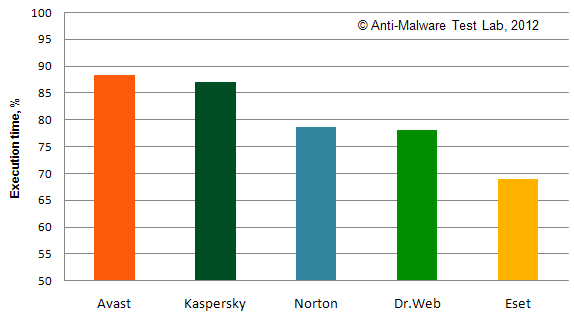 When choosing a personal antivirus, protection quality is one of the main criteria. But if the results for some products are about the same by this factor, the user starts paying attention to the other characteristics of these products such as their productivity and usability.
 In this test we examine the self-protection capabilities of TOP-
 Our test was the first in the world to check how really effective are these popular filters in protecting children from unwelcome websites. The test results can help parents to choose the best and most qualitative protection for their children familiarizing with the global network.
When using information taken from Anti-Malware-Test.com,
you are required to include a reference to the source material!
Copyright © Anti-Malware Test Lab, 2005-2017. All Rights Reserved.
RSS Feeds